
Dubai Marina vs JBR — which waterfront works for whom?
Dubai Marina and Jumeirah Beach Residence sit shoulder-to-shoulder along a single stretch of Dubai's western seaboard, yet they attract distinctly different hou
Dubai Marina vs JBR — which waterfront works for whom?
Two towers, one coastline—yet the life you'll lead in each can differ more than the map suggests.
Introduction
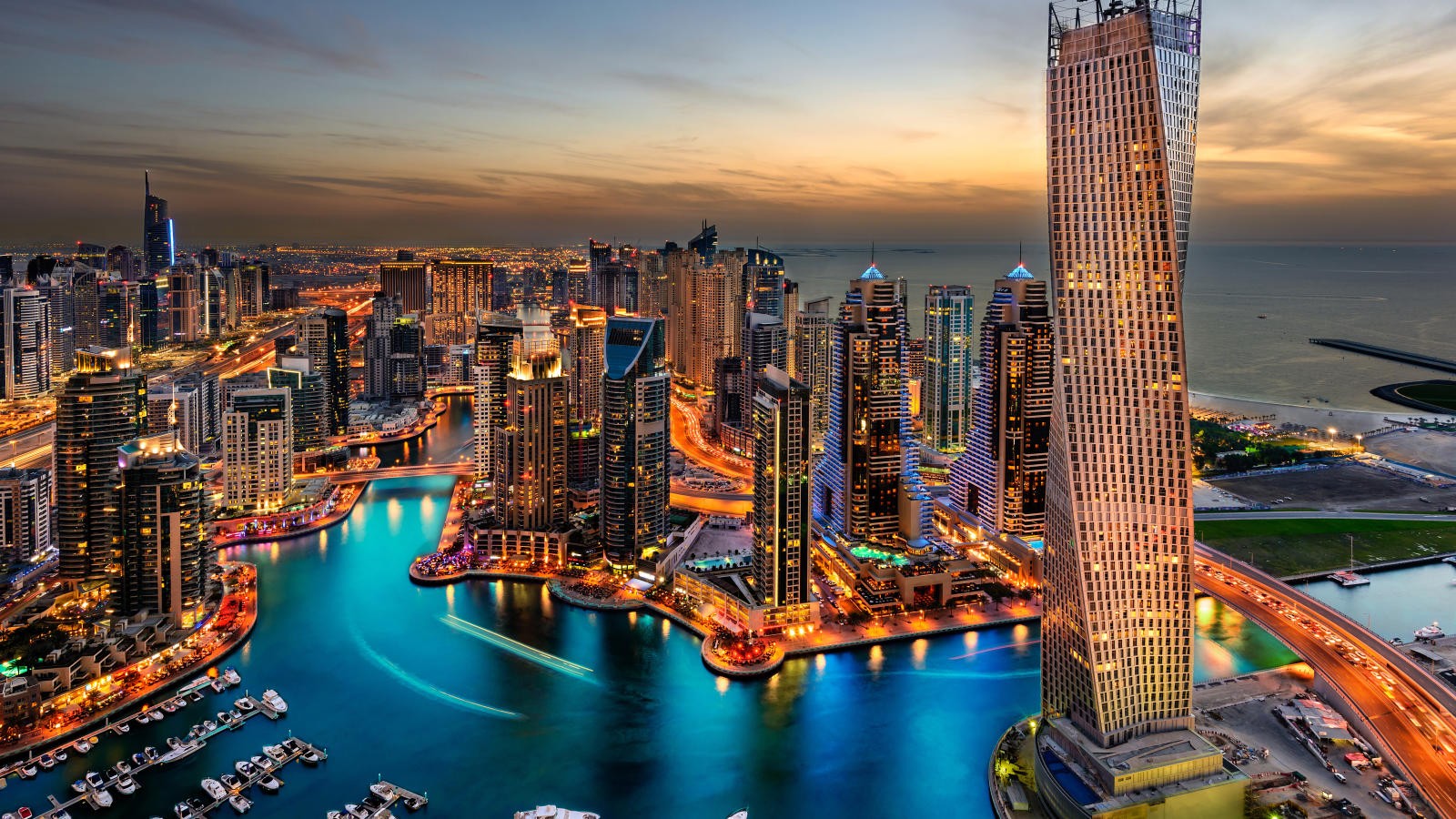
Dubai Marina and Jumeirah Beach Residence sit shoulder-to-shoulder along a single stretch of Dubai's western seaboard, yet they attract distinctly different households. Marina emerged first, a high-rise canal district wrapped around an artificial inlet; JBR followed with a beachfront wall of towers and a promenade that became synonymous with weekend foot traffic. Both precincts have matured since their handovers in the mid-2000s, and both are now touched by infrastructure upgrades—most recently the tram extension that links Marina Mall through to the wider metro network. For families weighing primary residence, investors scanning resale yields, and international arrivals seeking short-term furnished leases, the question is less about which waterfront is "better" and more about which pattern of daily life fits your priorities. This piece examines unit typologies, operating costs, tenant pools, transaction velocity, and the evolving transit footprint to help you decide where your capital—and your time—should land.
Unit sizes and stock composition
Dubai Marina's apartment register tilts toward one- and two-bedroom layouts, reflecting the precinct's origins as a high-density, investor-driven zone. Towers such as Marina Gate, Cayan, and the older Emaar clusters offer studios from around 450 sq ft and one-beds typically between 700 and 900 sq ft. Three-bedroom units exist—particularly in newer phases like Marina Gate—but they are the minority; most families seeking larger floor plans migrate to neighbouring Dubai Harbour or Palm Jumeirah. JBR's stock, by contrast, spans a narrower architectural vintage but a wider unit mix. The six Amwaj clusters and the Sadaf, Rimal, and Murjan towers include more two- and three-bedroom apartments, with floor plates often exceeding 1,400 sq ft for family configurations. Penthouses and duplex layouts are more common along The Walk, catering to owner-occupiers who value direct beach access over canal views. Because JBR was master-planned as a cohesive waterfront rather than tower-by-tower releases, maintenance standards and façade quality remain more uniform—a detail that matters when five towers stand in a row and prospective buyers compare lift lobbies in a single afternoon.
Service charges and ownership holding costs
Service charges in both districts are set by individual developers or owners' associations, and the spread can be wide. In Dubai Marina, older Emaar buildings sometimes levy AED 12–16 per sq ft annually, while newer signature towers—those with sky pools, concierge desks, and multi-level gyms—can reach AED 20–24 per sq ft. JBR's charges fall into a similar band, typically AED 14–20 per sq ft, though the beachfront location and shared infrastructure along The Walk mean that common-area costs include promenade maintenance and seasonal landscaping. Chiller fees are a separate line item in most leases and sale-and-purchase agreements; Dubai Marina's taller, glass-clad towers can incur higher cooling bills in summer months, especially on west- and south-facing elevations. JBR units benefit from sea breeze but face salt corrosion on balconies and window seals, pushing up cyclical refurbishment expenses. Investors modelling net rental yields—usually in the range of 6–8 per cent gross in both precincts—should subtract these annual charges, plus an allowance for agent fees (typically five per cent of annual rent on renewals) and periodic void periods. Owner-occupiers, meanwhile, will notice the impact on monthly outgoings: a 1,000 sq ft apartment in Marina or JBR can carry AED 1,200–1,800 per month in service and chiller costs during peak summer.
Tenant demographics and rental dynamics
Dubai Marina draws a younger, more transient tenant base—expatriate professionals on two-year contracts, cabin crew, hospitality staff, and junior finance roles clustered in DIFC or Business Bay. Furnished studio and one-bedroom leases turn over frequently, sometimes every twelve months, and short-term holiday lets are common in buildings that permit them. JBR attracts a slightly older cohort: mid-career managers, small families willing to trade space for beachfront proximity, and retirees on long-stay visas who value the promenade's restaurants and weekend markets. Lease durations in JBR trend longer—eighteen to twenty-four months—and tenants are more likely to renew if building management is responsive and the community retains its character. Both precincts see seasonal flux: rental enquiries peak in August and September as new school-year contracts begin, and dip in June and July when families travel. Investors focused on occupancy stability may find JBR's tenant profile more predictable, while those targeting higher gross rent per square foot—particularly on furnished studio product—often prefer Marina's denser, faster-churn market. Furnished premiums in either location can add 15–25 per cent to base rent, provided the furniture package is curated rather than generic.
Resale liquidity and the walk-to-beach factor
Transaction velocity—how quickly a unit moves from listing to sale—is shaped by micro-location within each precinct. In Dubai Marina, apartments with unobstructed marina views or those in landmark towers (Cayan, Princess, Torch) typically shift faster than mid-tier stock buried in the cluster behind Sheikh Zayed Road. Days-on-market for well-priced, marina-facing one-beds often sit between 30 and 60 days; comparable units without water views can linger for 90 days or more. JBR enjoys a structural liquidity advantage: the brand is synonymous with "beach," and buyers—particularly first-time international purchasers—recognise the name without needing a broker to explain the geography. The Walk address commands a premium; units in Sadaf or Amwaj with direct pedestrian access to the sand can trade 10–15 per cent above equivalent non-beachfront Marina stock on a per-square-foot basis. Resale price appreciation in both districts has been modest over the past five years—largely tracking Dubai's broader off-plan supply cycle—but JBR's tighter inventory and owner-occupier skew mean fewer distressed listings and less downward pressure during softer quarters. For liquidity-conscious investors, a two-bedroom in JBR's Rimal or Murjan clusters offers a safer exit than a studio in a second-tier Marina tower, even if the nominal entry price is higher.
How the tram extension reshapes the equation
The Dubai Tram extension, now operational between Marina Mall and the wider RTA metro network, has compressed commute times to Media City, Internet City, and Knowledge Village. A ride from JBR's tram stop to Dubai Internet City metro station takes roughly twelve minutes, door-to-platform. This infrastructure upgrade benefits both precincts, but the impact is asymmetric. Dubai Marina gains more: residents previously relied on taxis or the single metro station at the precinct's eastern edge; now multiple tram stops thread through the canal district, improving last-mile connectivity. JBR already enjoyed walkability—The Walk, the beach, and the adjacent promenade created a pedestrian-first environment—so the tram is additive rather than transformative. For tenants and owners who commute daily to free-zone offices, Marina's improved transit access narrows one of JBR's historical advantages. Families and retirees who prioritise strollability over metro access will still gravitate to JBR; young professionals balancing rent, commute, and nightlife may now weigh Marina more seriously. The tram's influence on capital values remains subtle—most buyers and investors still prioritise view, unit condition, and service-charge affordability—but it has measurably widened Marina's tenant catchment and reduced the "car dependency" objection that once clouded some purchase decisions.
Practical takeaways
1.Match unit size to tenant type.If targeting young professionals or short-term corporate lets, favour Dubai Marina's studio and one-bedroom stock; for families and longer leases, prioritise JBR's two- and three-bedroom layouts.
2.Budget for the full ownership cost.Add service charges, chiller fees, and agent commissions to your pro-forma—assume 10–12 per cent of gross rent as annual holding costs before calculating net yield.
3.Price beachfront access accurately.JBR's Walk-facing units command a premium; if your budget is constrained, a marina-view apartment in Marina proper may deliver better value per square foot without sacrificing waterfront ambience.
4.Leverage the tram for tenant acquisition.Market Dubai Marina listings to commuters working in Media and Internet City; highlight the new tram stops and 12-minute connection to the metro.
5.Inspect building quality, not just location.Both precincts contain ageing towers and newer landmarks—visit lobbies, check façade condition, and review owners' association minutes before committing; maintenance standards vary more within each district than between them.
Frequently asked questions
Which precinct offers better rental yields in 2025?
Gross yields in both Dubai Marina and JBR typically range between 6 and 8 per cent, depending on unit size, furnishing, and building grade. Marina's higher tenant turnover can generate incremental rent uplifts during renewal, while JBR's longer lease terms reduce void risk. Net yields converge once service charges and agent fees are deducted, so focus on tenant stability and days-on-market rather than headline rental rates alone.
Are service charges negotiable when buying resale?
Service charges are set by the developer or owners' association and apply uniformly to all units within a building. They are not negotiable at the point of sale. However, a seller may agree to cover outstanding charges or pro-rata the handover-month fee as part of contract negotiations. Always request a no-objection certificate and verify that all service charges are current before transfer.
How does beach access in JBR compare to other Dubai waterfronts?
JBR offers direct, unfenced public-beach access via The Walk—a key differentiator from Dubai Marina, which has no beach, and Palm Jumeirah, where beach clubs and hotel parcels dominate the shoreline. Residents can walk barefoot from lobby to sand in under five minutes, making JBR one of the few high-rise precincts in Dubai with genuine "walk-to-beach" credentials for families and fitness enthusiasts alike.
Speak to Point Penta
Every waterfront tells a different story, and the right choice depends on how you plan to live—or lease—your square footage. At Point Penta Real Estate, we specialise in matching buyers and investors to the Dubai communities that suit their timelines, budgets, and daily rhythms, not just the headlines. Whether you are weighing Marina's yield potential against JBR's family-friendly promenade, or comparing both to newer precincts along Dubai Harbour, our research-led approach ensures you see the full picture before you sign. Visit us at 902, Ithra Tower, Al Garhoud, Dubai, or reach out by email at info@pointpenta.com or by phone on +971 55 739 6664. We look forward to the conversation.

Point Penta’s research desk publishes editorial market analysis every week. If you’re looking at property in Dubai, an advisor will share the full sales pack — inventory, comparables and the current pricing band — within one business day.
More from the desk
How to sell your Dubai apartment in a rising market
Dubai's residential market has demonstrated sustained momentum since mid-2020, with quarterly DLD transaction volumes regularly exceeding historical averages an
Dubai property viewing checklist — 15 things every buyer misses
Dubai's property market moves quickly—handover schedules compress, inventory turns over, and buyers often feel pressed to commit after a single viewing. Yet the
Best time of year to buy in Dubai — a seasonal market analysis
Buying real estate in Dubai is rarely a straightforward exercise in supply and demand. The market breathes with the city's cultural calendar, developer event cy