
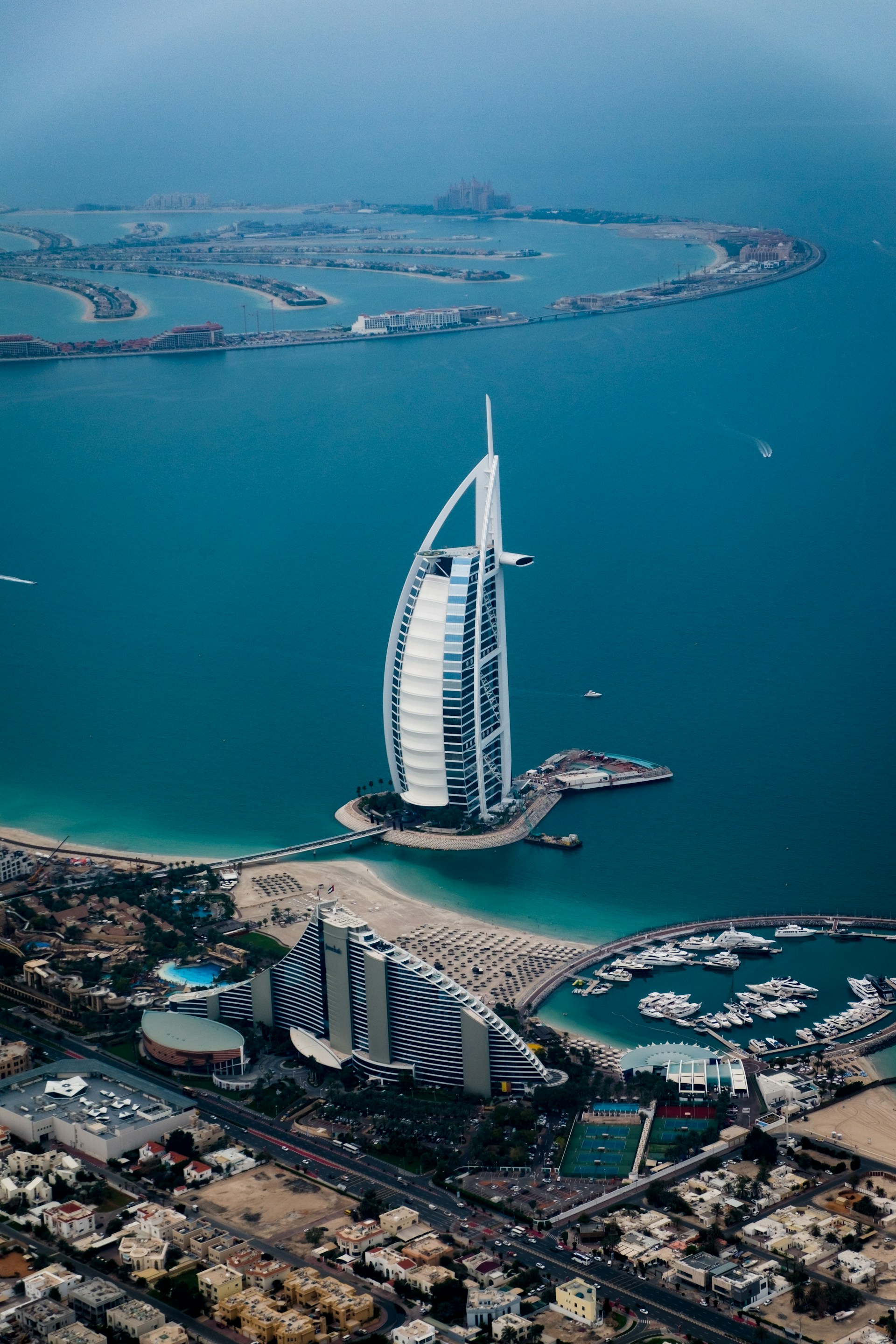
Palm Jumeirah at 25 — how the crescent is evolving in 2026 — updated view
When Nakheel's master-planned archipelago opened its trunk road in 2007, Palm Jumeirah became shorthand for ambition: signature villas, private beaches, and the
Twenty-five years after the first dredger moved sand, the Palm Jumeirah has quietly pivoted from a garden-villa sanctuary into a vertical, ultra-luxury showcase—and not everyone saw it coming.
Introduction
When Nakheel's master-planned archipelago opened its trunk road in 2007, Palm Jumeirah became shorthand for ambition: signature villas, private beaches, and the promise of a cosmopolitan lifestyle anchored by low-rise elegance. Fast-forward to 2026, and the crescent looks decidedly different. The roster of branded residences has thickened—Six Senses, One&Only, Cavalli, and Raffles now punctuate the fronds and outer arc—while established villa enclaves such as Garden Homes, Signature Villas, and Frond D remain prized but increasingly rare on the secondary market. Infrastructure has evolved, too: the monorail underwent route extensions, water-taxi schedules have been recalibrated, and arterial roads have seen targeted upgrades to ease peak-hour queues. For families, investors, and lifestyle buyers considering Palm Jumeirah in 2026, the question is no longer whether the island merits attention—it's where the value pockets still exist amid price premiums that can feel stratospheric. This journal post examines the crescent's structural shifts, current pricing bands, rental dynamics, and practical entry points for discerning buyers.
From garden villas to vertical branded statements
The original vision for Palm Jumeirah leaned heavily on horizontal luxury: sprawling plots with private pools, uninterrupted Gulf views, and a sense of seclusion unusual for a city as densely layered as Dubai. That formula worked beautifully for early adopters, and it explains why certain fronds—G, K, and M in particular—command premiums even today. Yet land on the island is finite, and Nakheel, Omniyat, and a handful of international hospitality groups recognised the opportunity to go vertical. The outcome is a constellation of ultra-luxury towers that share design pedigree with five-star resorts: concierge desks in lobbies, spa-inspired amenities, and room service piped directly from Michelin-adjacent kitchens. Six Senses Residences brought its wellness ethos, complete with a rooftop herb garden and dedicated healing practitioners; One&Only One Za'abeel extended its brand onto the crescent with private cabanas and curated F&B; Cavalli Tower leaned into maximalist interiors that mirror the fashion house's aesthetic. For investors, these assets unlock higher rental yields—typically in the 5.8–7.1 per cent range—because short-term letting is popular and guests will pay a premium for a recognisable name. For end-users, the shift means you can own a slice of Palm Jumeirah without maintaining a villa or staffing a household. The trade-off, of course, is shared walls and service charges that can exceed AED 30 per square foot annually.

Current price bands and where the ceiling sits
Pricing on Palm Jumeirah has always reflected scarcity, but the spread in 2026 is unusually wide. Garden Homes villas—the original plot-and-build product—typically trade in the AED 4,500–6,500 per square foot range when they surface, though choice plots with unobstructed marina or Atlantis views can nudge AED 7,000 per square foot. Signature Villas and the larger custom builds on certain fronds may reach AED 8,000–9,000 per square foot if meticulously upgraded and directly on the beach. At the opposite end, branded residences such as FIVE Palm Jumeirah or Serenia Residences offer entry points closer to AED 4,000–5,200 per square foot for mid-floor units, while penthouses in the newly completed ultra-luxury projects can breach AED 10,000–12,000 per square foot, especially when bundled with bespoke furniture packages or guaranteed rental pools. It is worth noting that these figures are illustrative and shaped by unit size, view corridor, finishing standard, and handover timeline; small one-bedrooms rarely justify the same rate per square foot as a four-bedroom sky villa. The ceiling, for now, appears to sit around AED 12,000 per square foot—above that threshold, buyers tend to compare Palm Jumeirah with newer precincts such as Jumeirah Bay Island or Dubai Harbour, where competing penthouses carry similar prestige without the island's occasional traffic pinch-points. For context, comparable assets in Emirates Hills or District One Mohammed Bin Rashid City often trade in the AED 3,000–5,000 per square foot band, highlighting the premium that waterfront and brand cachet command on the Palm.
Rental yields, occupancy patterns, and investor calculus
Rental yields on Palm Jumeirah bifurcate neatly. Traditional villas, particularly those leased to corporate families on multi-year contracts, tend to deliver yields in the 5.2–6.0 per cent range—solid by Dubai standards but not spectacular when weighed against capital lock-up and maintenance overhead. Branded residences, by contrast, thrive on short-term holiday lets and flexible corporate bookings, pushing annualised yields toward 6.5–7.1 per cent when occupancy runs above 70 per cent. Operators such as Address Hotels + Resorts and Jumeirah Living manage rental pools that guarantee minimum returns—often 7–8 per cent net for the first three to five years—making them attractive to international buyers who value passive income over hands-on asset management. Occupancy patterns have proven resilient: peak winter months (November through March) see near-full bookings, while summer dips are cushioned by regional travellers and long-stay guests from the GCC. RERA regulations permit short-term letting across most of the island's residential stock, provided the property is registered and complies with community bylaws; however, certain villa clusters enforce owner-occupier or long-lease-only rules, so due diligence is essential. For investors weighing alternatives, the Palm's combination of brand recognition, mature infrastructure, and regulatory clarity often tips the balance, even when headline yields in emerging corridors such as Dubai South or Damac Hills 2 appear marginally higher. The key variable is liquidity: Palm Jumeirah units typically find buyers faster in a downturn, a characteristic that conservative portfolios prize.
Monorail upgrades, water taxis, and day-to-day liveability
Infrastructure was never Palm Jumeirah's weakest link, but it was never its strongest, either. The monorail—linking the Gateway station at the trunk to Atlantis at the crescent's apex—was more symbolic than practical for years, thanks to limited operating hours and a single-track layout that capped frequency. Recent upgrades, completed in phases through 2025, extended service windows to align with the metro's timetable and introduced climate-controlled carriages with real-time arrival boards. The result is a marginally more usable public-transport option, particularly for residents commuting to Al Garhoud, Business Bay, or Dubai International Financial Centre. Water-taxi services operated by the Roads and Transport Authority have also been recalibrated: new routes connect the Palm to Dubai Marina, Bluewaters Island, and Dubai Harbour, with express vessels during rush periods. For families, the practical implication is that owning a car remains almost non-negotiable—school runs, supermarket trips, and weekend outings still favour private vehicles—but the enhanced connectivity softens the island's perceived isolation. Road improvements along the trunk, including additional turn lanes and signal-timing optimisation, have shaved five to eight minutes off peak-hour exits, a modest gain that compounds over a year of daily commutes. Liveability on the island hinges on three factors: proximity to Nakheel Mall and The Pointe for retail and dining, tolerance for seasonal tourist density, and acceptance that certain services—international schools, specialist clinics, large-format grocers—sit off-island, typically a ten-to-fifteen-minute drive into Jumeirah or Dubai Marina. For buyers who prioritise beachfront tranquillity and are prepared to plan errands strategically, the trade-offs feel manageable; for those accustomed to hyper-dense, walk-everywhere urbanism, Palm Jumeirah may read as car-dependent.
Practical takeaways
- Target fronds G, K, or M if seeking villas: these clusters offer mature landscaping, stable rental demand, and stronger resale liquidity than outlying plots.
- Evaluate service-charge structures in branded towers: annual fees can range from AED 25 to AED 45 per square foot; confirm what is included (pool maintenance, concierge, utilities) before calculating net yield.
- Verify short-term-letting permissions early: not all villa communities or apartment blocks permit holiday rentals; check title-deed conditions and community by-laws through your broker or RERA.
- Factor transport rhythm into daily schedules: if you work in DIFC or Downtown, budget 35–50 minutes door-to-desk during peak periods, even with monorail and metro connections.
- Compare per-square-foot pricing against Dubai Harbour and Jumeirah Bay Island: for budgets exceeding AED 10 million, newer waterfront developments may offer better finishing standards, lower service charges, or more flexible layouts at similar headline rates.
Frequently asked questions
Are villa prices on Palm Jumeirah still rising in 2026?
Prices for well-maintained Garden Homes and Signature Villas have stabilised rather than surged, reflecting a mature secondary market. Premium plots with direct beach access or unobstructed Atlantis views continue to command incremental gains—typically low single digits year-on-year—while older stock requiring significant refurbishment may trade flat or soften slightly. Branded-residence pricing remains buoyant, supported by guaranteed-rental schemes and international buyer interest.
Which branded residences offer the best rental returns?
Projects with active hotel-management agreements—such as those operated by Address, Jumeirah Living, or FIVE—tend to deliver the most consistent yields, often in the 6.5–7.1 per cent range when occupancy exceeds 70 per cent. Towers offering guaranteed-return pools for the first three to five years provide downside protection but may cap upside if the market strengthens. Always review the operator's track record, fee structure, and exit clauses before committing.
Is the monorail a realistic commuting option for daily office workers?
For residents heading to stops along the Red Line—particularly Dubai Internet City, Jumeirah Lakes Towers, or Nakheel—the monorail combined with the metro is workable, though total journey time typically exceeds 40 minutes. Most professionals still favour private cars or ride-hailing services for flexibility. The monorail shines as a backup during road congestion or for leisure trips to Atlantis and The Pointe.
Speak to Point Penta
Palm Jumeirah's evolution from horizontal garden retreat to vertical branded showcase encapsulates broader shifts in Dubai's luxury segment: scarcity driving innovation, hospitality brands leveraging real-estate equity, and infrastructure playing catch-up with ambition. Whether you are weighing a beachfront villa for your family, a branded apartment for passive rental income, or a penthouse as a long-term store of value, the island's nuances reward careful scrutiny. Our research team at Point Penta tracks inventory, price movements, and regulatory shifts across every frond and tower on the crescent. If you would like a tailored assessment of current opportunities or a quiet walk-through of listed units, reach us at our office: 902, Ithra Tower, Al Garhoud, Dubai. Email info@pointpenta.com or call +971 55 739 6664—we are here to help you read the island clearly.
Point Penta’s research desk publishes editorial market analysis every week. If you’re looking at property in Dubai, an advisor will share the full sales pack — inventory, comparables and the current pricing band — within one business day.
More from the desk
Dubai vs Abu Dhabi property — a side-by-side 2026 comparison
Dubai and Abu Dhabi sit less than 140 kilometres apart, yet their property markets could not be more distinct. Dubai has long been the region's commercial and l
Corporate relocation to Dubai — housing budgets, communities and lease structures
Dubai's corporate relocation landscape has matured considerably over the past decade, transforming from ad-hoc packages into structured frameworks that balance
How to sell your Dubai apartment in a rising market
Dubai's residential market has demonstrated sustained momentum since mid-2020, with quarterly DLD transaction volumes regularly exceeding historical averages an